A report from Blog puts No more icons in every menu by default on the technical radar. This concise read preserves the source’s central claim, its context and the questions worth watching next.
What the source reports
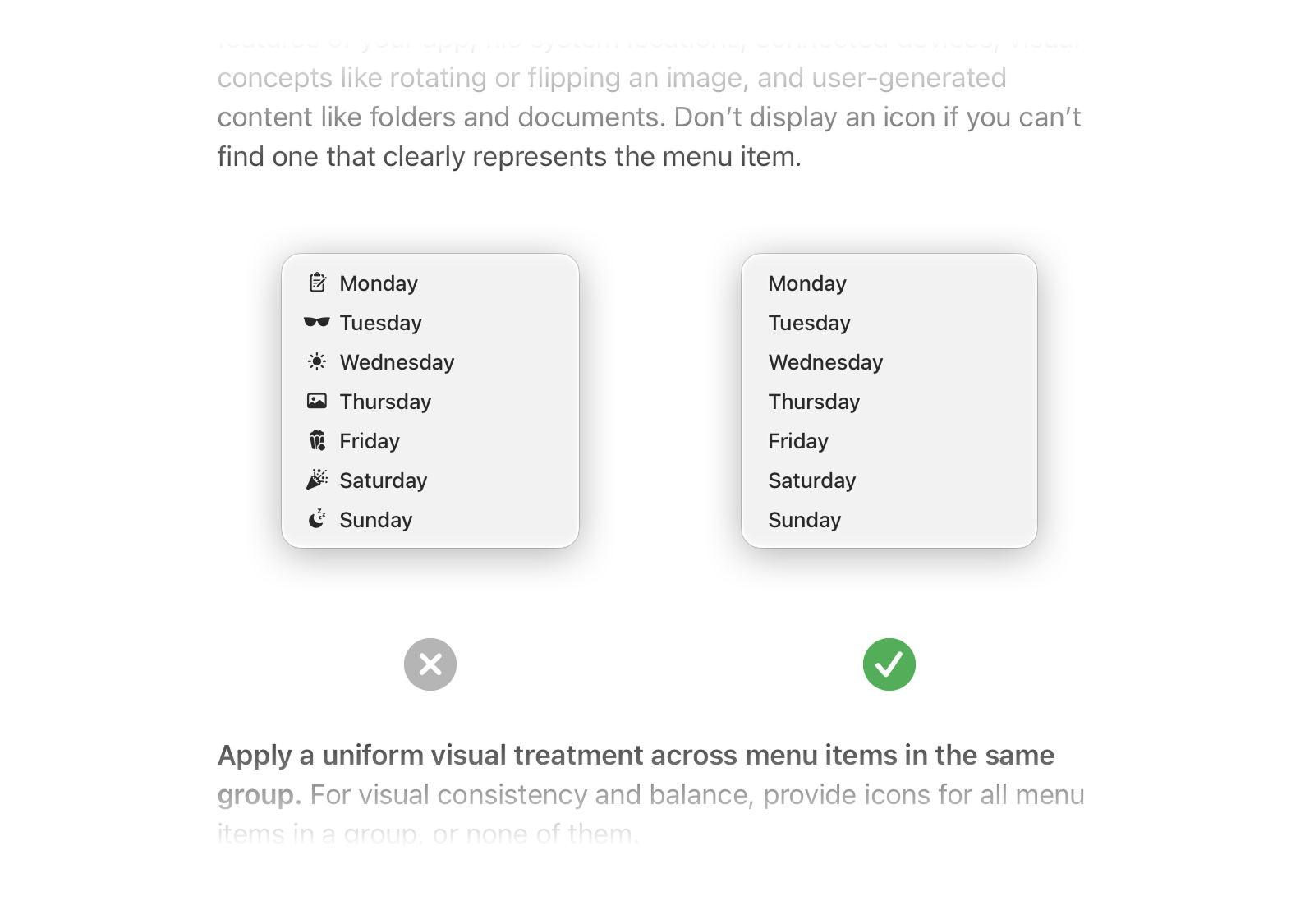
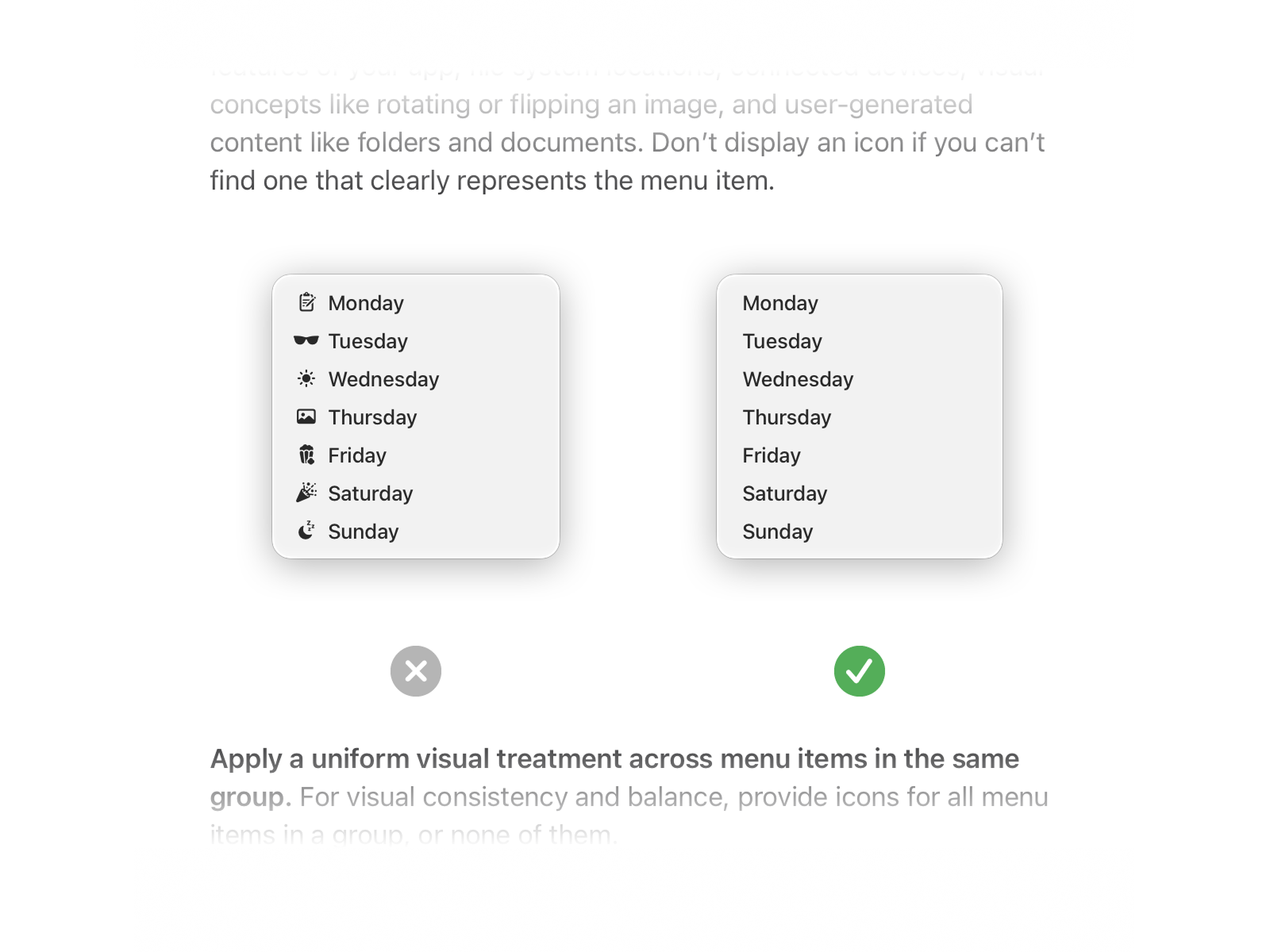
Have you heard the good news? Blog bemoaned the approach of putting an icon in every menu item by default which shipped with macOS Tahoe — but now it’s gone in…
The broader context
Software changes become consequential when they meet existing code, deployment habits and user expectations. Compatibility, observability and maintenance capacity often determine the real cost of adopting a new architecture or framework. That is particularly true for foundational libraries and infrastructure, where a small behavioural change can propagate through many downstream systems.
Before adopting a technical change, reproduce it on a representative codebase and document the migration path. Compare behaviour, resource use and failure modes with the existing implementation. Check whether tests cover edge cases and whether logs make failures diagnosable. Review release cadence, maintainer responsiveness and the effort required to roll back. A feature that saves time in a demo can create years of maintenance if its abstractions are difficult to inspect or its compatibility story is vague.
A compressed source summary cannot carry every operational detail. It may omit rollout timing, benchmark construction, eligibility, dependencies or conflicting results. That does not make the source wrong; it defines the limit of what the summary alone proves. Treat the initial report as a claim to be tested rather than a universal outcome. Check availability and version details for releases, reproducibility for research, and delivered usage for business claims. Where possible, run a small reversible evaluation and keep its measurements. Corrections and follow-up reporting can materially change the interpretation, especially when the underlying technology, pricing or policy is moving quickly. This distinction between a publisher’s evidence and its broader applicability is essential to responsible technical coverage.
For readers evaluating No more icons in every menu by default, the publisher’s account is the starting evidence. Independent implementation details, subsequent corrections and real-world outcomes provide the test of how broadly the claim applies.
Why it matters
Technical choices become operational constraints. The useful evaluation is not novelty alone, but maintenance burden, compatibility, performance and the experience of downstream users.
How to assess the claim
- Read migration notes and identify incompatible or behaviour-changing details.
- Run representative benchmarks and regression tests before adopting the change.
- Inspect maintenance activity, release history and the quality of documentation.
- Evaluate the operational cost for downstream users, not only the developer demo.
What to watch next
Watch maintainer notes, compatibility reports and real-world benchmarks. Migration cost and long-term support will matter as much as the headline feature.
Read the complete report from Blog for the original evidence and context.
Discover more from Sulat — AI & Tech News
Subscribe to get the latest posts sent to your email.