A report from Newsletter puts Good Culture Is the Biggest Productivity Hack, Not AI on the technical radar. This concise read preserves the source’s central claim, its context and the questions worth watching next.
What the source reports
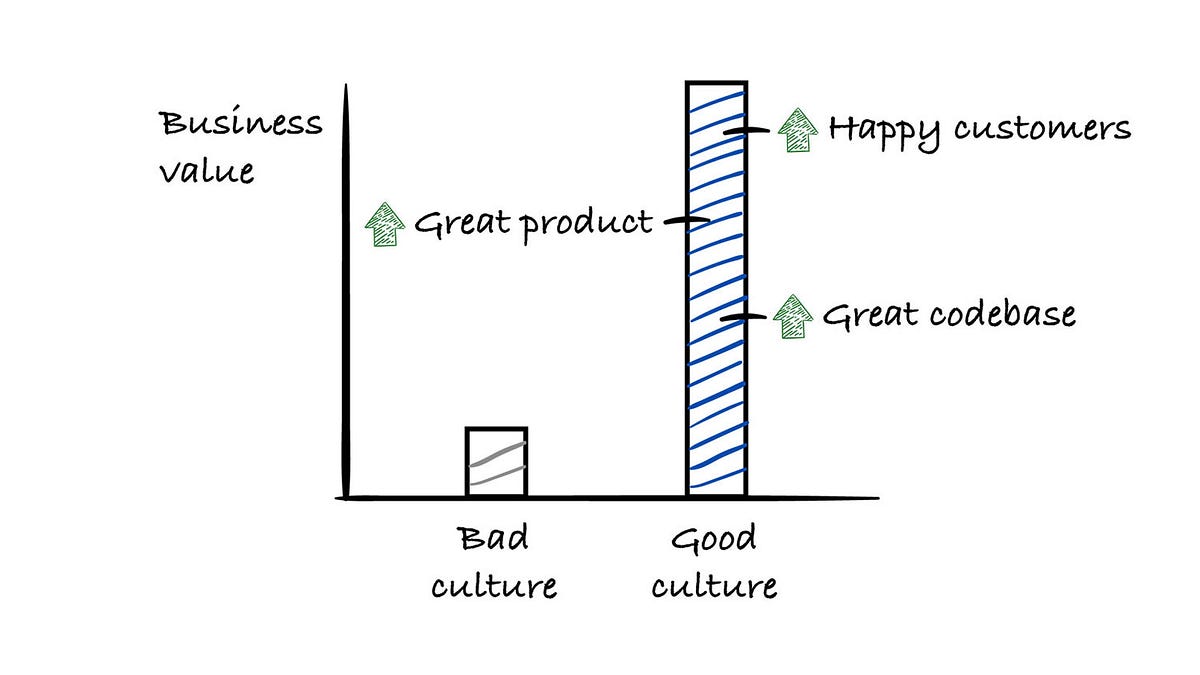
AI definitely helps with productivity, but only when you have the right culture in place first!
The broader context
AI announcements arrive with competing claims about quality, openness and cost, but those properties are not interchangeable. A model that performs well in a controlled demonstration may behave differently with unfamiliar data, tool permissions, long contexts or production latency requirements. Open-weight releases add further questions about licensing, deployment responsibility and the ability of smaller teams to verify what they run. The most useful comparisons keep model version, prompts, reasoning settings, data and evaluation methodology visible, because changing any one of them can move the result.
A useful evaluation starts with the intended job and the cost of being wrong. Build a small set containing ordinary cases, difficult cases and known traps, then record the model version, prompt, reasoning settings, latency and price. Compare accepted outputs rather than raw generations, because discarded work and human correction are part of the system cost. For open weights, also check hardware requirements, quantisation, licensing, security updates and provenance. For hosted models, review retention, privacy, rate limits and incident handling. That turns a launch claim into a reproducible engineering input.
A compressed source summary cannot carry every operational detail. It may omit rollout timing, benchmark construction, eligibility, dependencies or conflicting results. That does not make the source wrong; it defines the limit of what the summary alone proves. Treat the initial report as a claim to be tested rather than a universal outcome. Check availability and version details for releases, reproducibility for research, and delivered usage for business claims. Where possible, run a small reversible evaluation and keep its measurements. Corrections and follow-up reporting can materially change the interpretation, especially when the underlying technology, pricing or policy is moving quickly. This distinction between a publisher’s evidence and its broader applicability is essential to responsible technical coverage.
For readers evaluating Good Culture Is the Biggest Productivity Hack, Not AI, the publisher’s account is the starting evidence. Independent implementation details, subsequent corrections and real-world outcomes provide the test of how broadly the claim applies.
Why it matters
Model capability is only one axis. Availability, licensing, evaluation methodology and the cost of running the system determine whether the result is useful outside the announcement.
How to assess the claim
- Compare independent evaluations with the vendor’s chosen benchmarks and test the actual workload.
- Check licensing, context limits, deployment requirements and any usage restrictions.
- Measure accepted-output cost, latency and human review rather than price per token alone.
- Track reproducibility, model updates and the availability of safety and evaluation documentation.
What to watch next
Look for model cards, independent evaluations, pricing, rate limits and reproducible deployments. Vendor benchmarks are a starting point, not the whole comparison.
Read the complete report from Newsletter for the original evidence and context.
Discover more from Sulat — AI & Tech News
Subscribe to get the latest posts sent to your email.