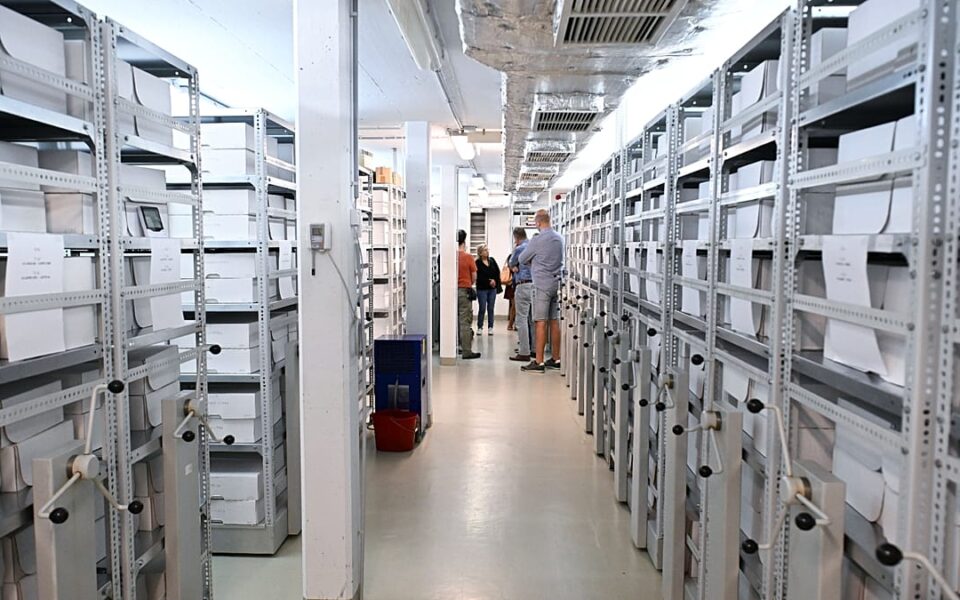
Giving an agent a longer transcript does not necessarily give it a better memory. It may simply give it more material to search, more stale details to reconcile and less room for the task in front of it.
Anthropic’s new write-up on the components of agent memory offers a more useful model. Memory is a layered system: raw transcripts, salient notes, higher-level representations and the small set of context injected into the next session. A background process called “dreaming” helps reorganise those layers between tasks.
Transcripts are evidence, not the whole memory
The transcript remains the searchable event log. Memory notes capture observations that may matter later. Representations such as wikis organise what has been learned. Finally, injected context makes a selected portion available without requiring the agent to retrieve it.
This separation lets each layer do a different job. The log preserves provenance; notes compress experience; representations connect knowledge; injected context supports immediate action. Dumping every event into the prompt would collapse those distinctions.

A memory is a prediction about the future
The strongest idea in the research is that writing a memory is a prediction: the agent expects this fact, rule or plan to be useful again. That makes selectivity and verification central. A note should not merely record what happened—it should help a future session avoid a repeated mistake or recover a durable insight.
Anthropic describes a CL-Bench database task in which agents began fresh sessions with a persistent memory directory. Different models showed different levels of discipline: some accumulated untested guesses, while more successful runs consolidated validated rules, evidence and warnings about known traps.
For builders, the design question is not “How much can we store?” It is “What can the agent verify, retrieve and safely act on later?”
Less memory can mean better behaviour
The report’s Pokémon Red comparison makes the cost of indiscriminate storage tangible. Claude Sonnet 3.7 wrote 413 memory files across 225 folders and earned one badge in the observed run. Claude Fable 5 wrote nine files in two folders plus a top-level dashboard and earned four.
The smaller store favoured strategy, plans and tested rules over information already visible in the game state. That is an important operational principle: if a tool can reliably reconstruct current state, copying that state into long-term memory may create staleness without adding knowledge.
A practical checklist for agent builders
- Keep an append-only record. Preserve transcripts as evidence, separate from curated memory.
- Attach provenance and confidence. A reusable rule should say how it was validated and when it applies.
- Prefer tested procedures over transient state. Re-fetch state from the authoritative tool when possible.
- Consolidate offline. Use idle-time work to merge duplicates, correct old notes and build representations.
- Evaluate retrieval by outcomes. Track whether memory improves task completion, not just recall on a document test.
The takeaway is reassuringly concrete. Effective agent memory is not a bigger bucket. It is an editorial process—one that decides what to preserve, what to compress and what to leave behind.
Read Anthropic’s research and evaluations.
Discover more from Sulat — AI & Tech News
Subscribe to get the latest posts sent to your email.