A report from Patkerr puts 2D Vehicles on the technical radar. This concise read preserves the source’s central claim, its context and the questions worth watching next.
What the source reports
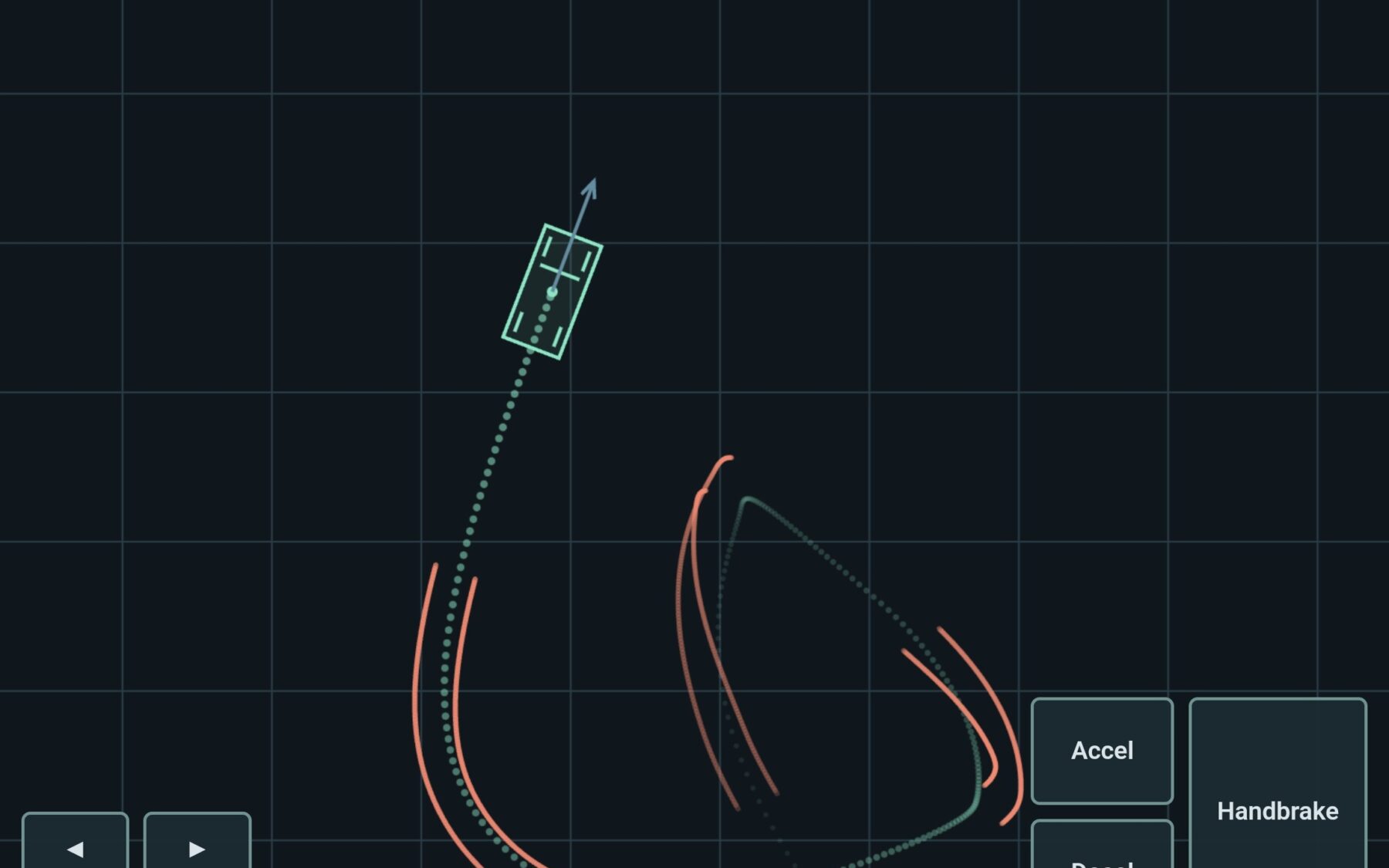
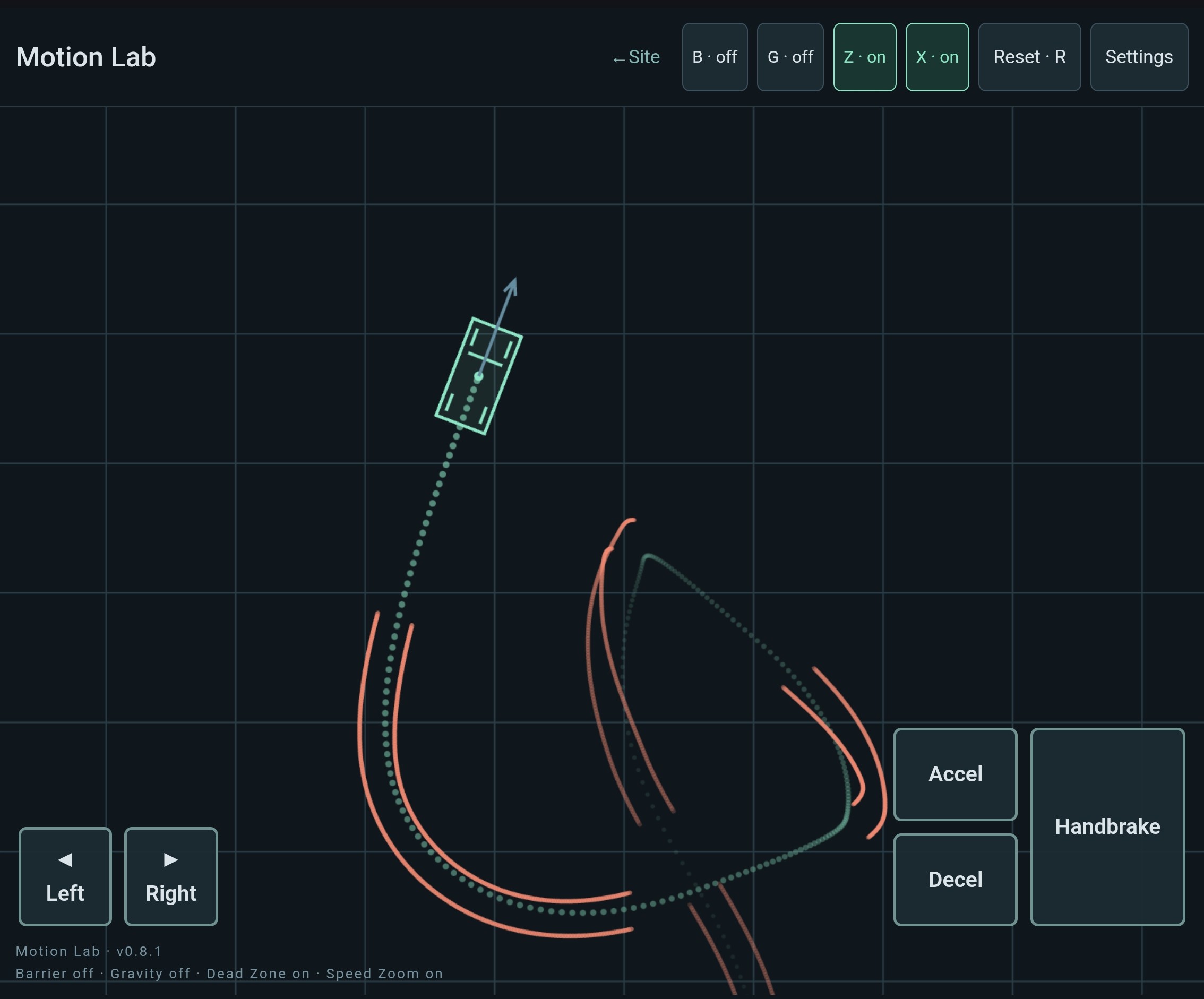
Explore Patkerr’s 1996 vehicle physics prototype, recreated for the web as Motion Lab.
The broader context
Technology businesses need more than a compelling narrative to make a strategy durable. Capital expenditure, pricing, customer concentration and the cost of serving real workloads shape the result. Market reaction can be useful context, but it is not a substitute for product adoption or operational evidence.
Separate the announcement from its economic engine. Check where revenue comes from, what it costs to deliver the service, how much capital is required and which customers carry the most risk. Partnerships and valuations provide context, but retention, margins and delivered usage reveal whether the strategy is working. Later filings and customer behaviour should be used to test the original narrative rather than assuming the launch story is the outcome.
A compressed source summary cannot carry every operational detail. It may omit rollout timing, benchmark construction, eligibility, dependencies or conflicting results. That does not make the source wrong; it defines the limit of what the summary alone proves. Treat the initial report as a claim to be tested rather than a universal outcome. Check availability and version details for releases, reproducibility for research, and delivered usage for business claims. Where possible, run a small reversible evaluation and keep its measurements. Corrections and follow-up reporting can materially change the interpretation, especially when the underlying technology, pricing or policy is moving quickly. This distinction between a publisher’s evidence and its broader applicability is essential to responsible technical coverage.
For readers evaluating 2D Vehicles, the publisher’s account is the starting evidence. Independent implementation details, subsequent corrections and real-world outcomes provide the test of how broadly the claim applies.
Why it matters
The announcement sits in a broader economic system. Unit economics, capital requirements and operational evidence deserve as much attention as the market narrative.
How to assess the claim
- Look for revenue, margins, cash requirements and customer adoption in primary filings.
- Distinguish announced capacity or partnerships from delivered products and usage.
- Watch pricing and retention for evidence that customers are receiving durable value.
- Compare management’s claims with subsequent operating results and independent reporting.
What to watch next
Watch subsequent filings, deployment numbers and customer behaviour for evidence of whether the strategy is working.
Read the complete report from Patkerr for the original evidence and context.
Discover more from Sulat — AI & Tech News
Subscribe to get the latest posts sent to your email.