PyTorch 2.0 was released on 15 March 2023, bringing its optional compiler into the stable distribution. The project still classifies torch.compile itself as beta.
Logo: PyTorch.
Accelerated Transformers is stable. Dynamic-shape compilation remains a prototype, with inference support for simple models and significant limitations; training support is left for a future release. These feature labels matter when deciding what to deploy.
The release also changes installation requirements: Python 3.7 and CUDA 11.6 builds are dropped. The announcement directs Python 3.11 users to pip packages because the stable release does not include Conda binaries for that Python version.
Function transforms join the toolbox
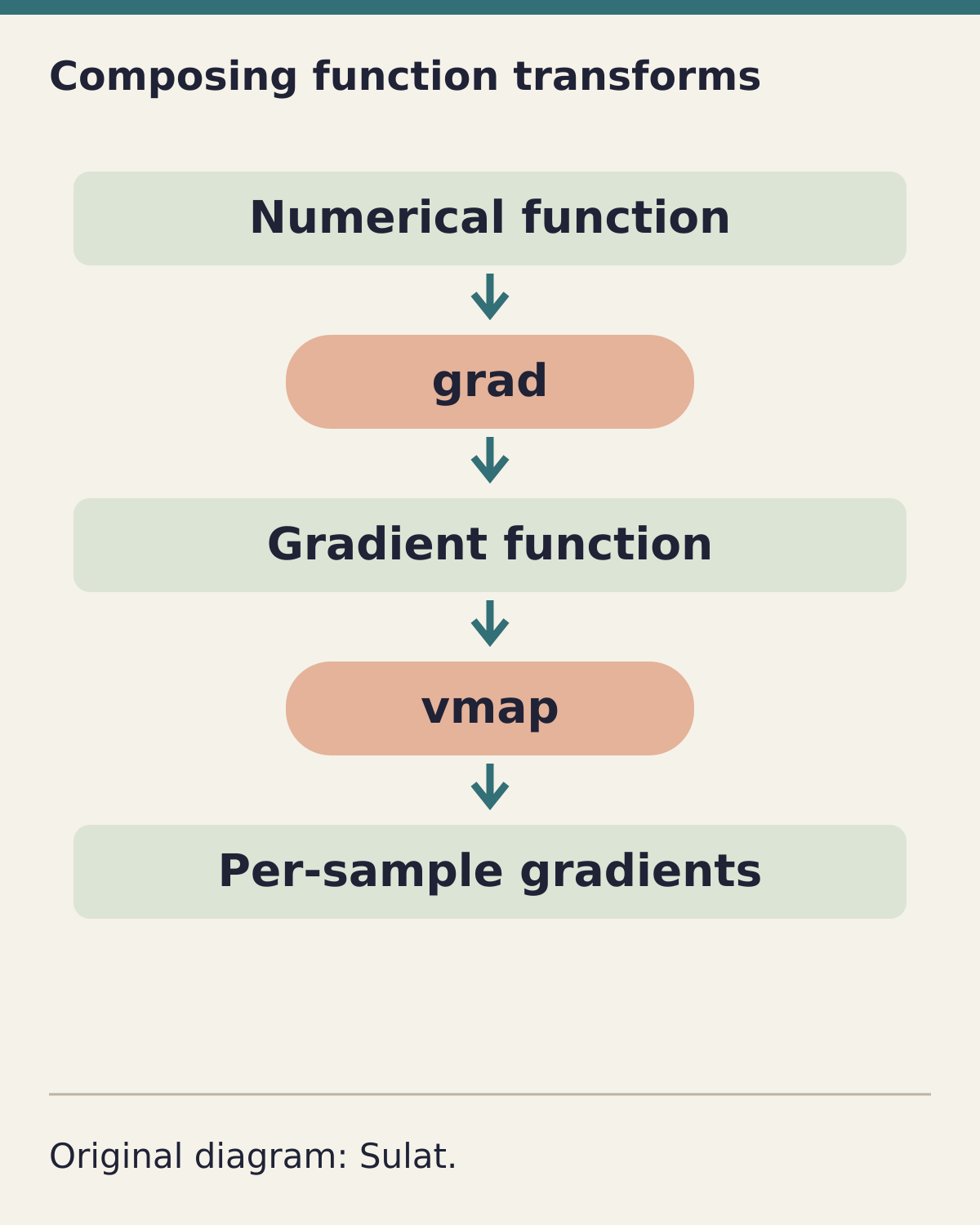
The release includes torch.func, previously known as functorch. Its versioned documentation describes transformations that take a numerical function and produce another function: grad computes gradients, while vmap applies a function across batches.
Combining those transformations can express per-sample gradients, model ensembles and Jacobian or Hessian calculations. The approach lets developers assemble these operations instead of needing a separate subsystem for each task.
torch.func is also beta. PyTorch warns that its APIs may change in response to feedback and that coverage of operations is incomplete.
Earlier coverage: December’s PyTorch preview.
Discover more from Sulat AI & Tech News
Subscribe to get the latest posts sent to your email.