Boxes.dev, a new Y Combinator start-up, wants coding agents off developers’ laptops. Its service gives each Claude Code or Codex session its own Linux virtual machine in the cloud, cloned from a snapshot of the developer’s working setup, and it runs both tools unmodified on the developer’s existing Claude or ChatGPT subscription.
The company was founded by Nick Bushak, its chief executive, and Drew Regitsky, its chief technology officer. The pair met at MIT and spent most of the past decade at Gem, the recruiting software company, where Bushak was co-founder and CTO and Regitsky was the first engineer. Boxes.dev says Gem grew to roughly 300 people and a $1.2 billion valuation. Y Combinator’s company page lists Boxes.dev in its Fall 2026 batch as a two-person team in San Francisco.
The problem it’s pitching
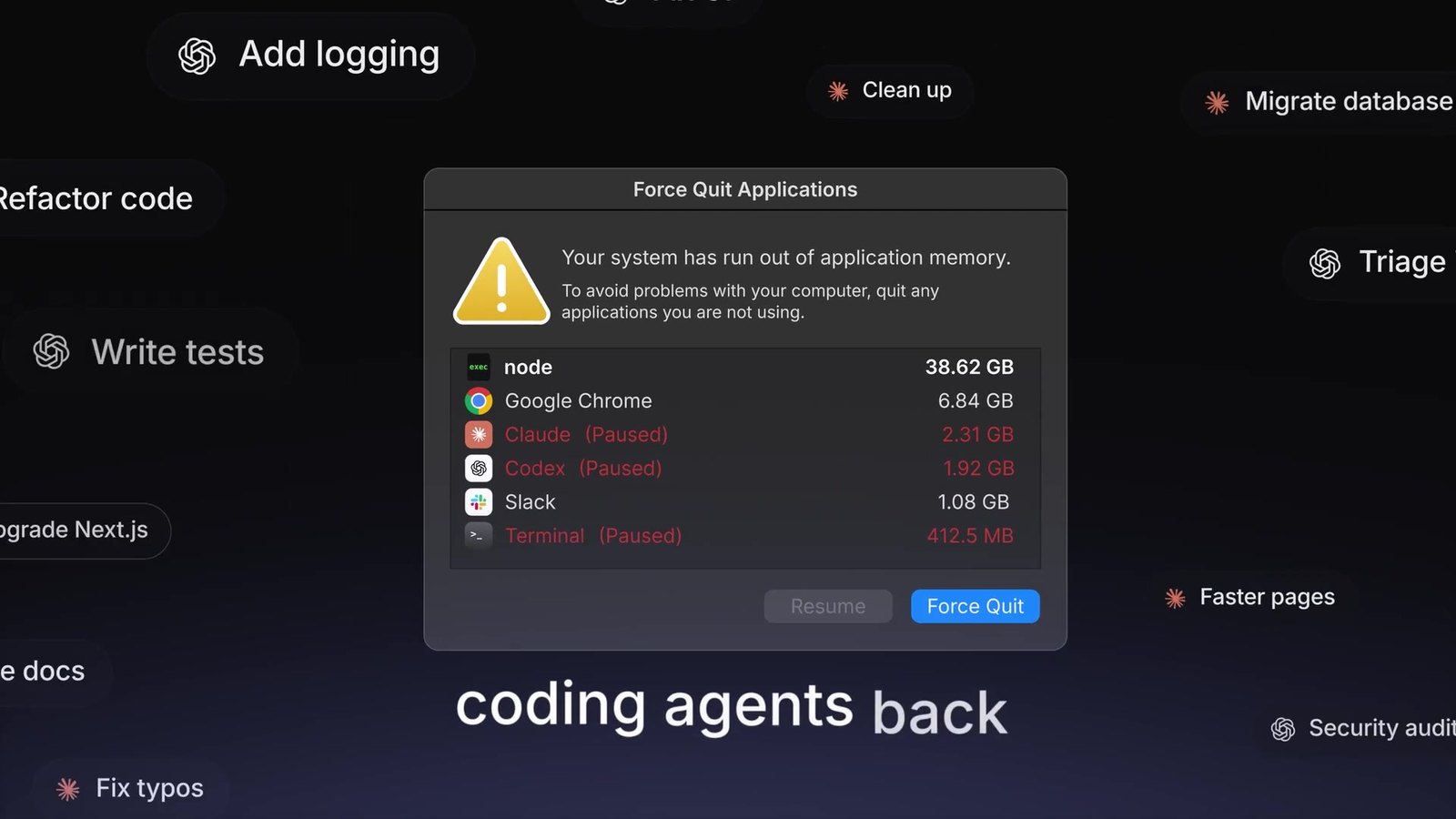
In their Launch YC post, the founders argue that running five to ten coding agents at once is becoming normal, and that a single laptop can’t keep up. Agents stop when the lid closes, git worktrees (extra checkouts of the same repository on one machine) are awkward to manage, and agents that each need to run the app to test their changes compete for the same memory, processor and ports.
They also take aim at existing cloud agent products, which they say often can’t run a project’s full development environment or depend on setup scripts that are hard to maintain. “Without a dev setup, you get neutered agents that can’t test their work live,” they wrote.
How it works
Setup starts on the developer’s own machine. According to the Boxes.dev site, the developer pastes a prompt into Claude Code or Codex in the project folder, and the agent looks through the local environment, including environment files, local databases and tools that live outside the repository, then drafts a plan. The developer reviews what will be uploaded, and a second agent carries out the plan on a remote machine and checks that the app runs.
That machine becomes a “template box”. Boxes.dev snapshots its filesystem and memory, and every new agent gets a fresh “devbox” started from that snapshot. Regitsky said on X that a project’s local database comes along in the snapshot, so each agent gets its own copy. Bushak said each agent runs in its own Firecracker virtual machine, and that the company currently uses the sandbox provider E2B underneath.
Each devbox is a full Linux machine with its own filesystem, processes and ports. Ports can be forwarded to the developer’s own localhost or given a public preview URL to share with teammates. Agents can be started from a desktop app, iOS and Android apps, a command-line tool, Slack, Linear, a schedule or an API call, and developers can connect over SSH or with VS Code or JetBrains editors. The site says setup uploads are encrypted before they leave the developer’s machine and are decrypted inside the template box.
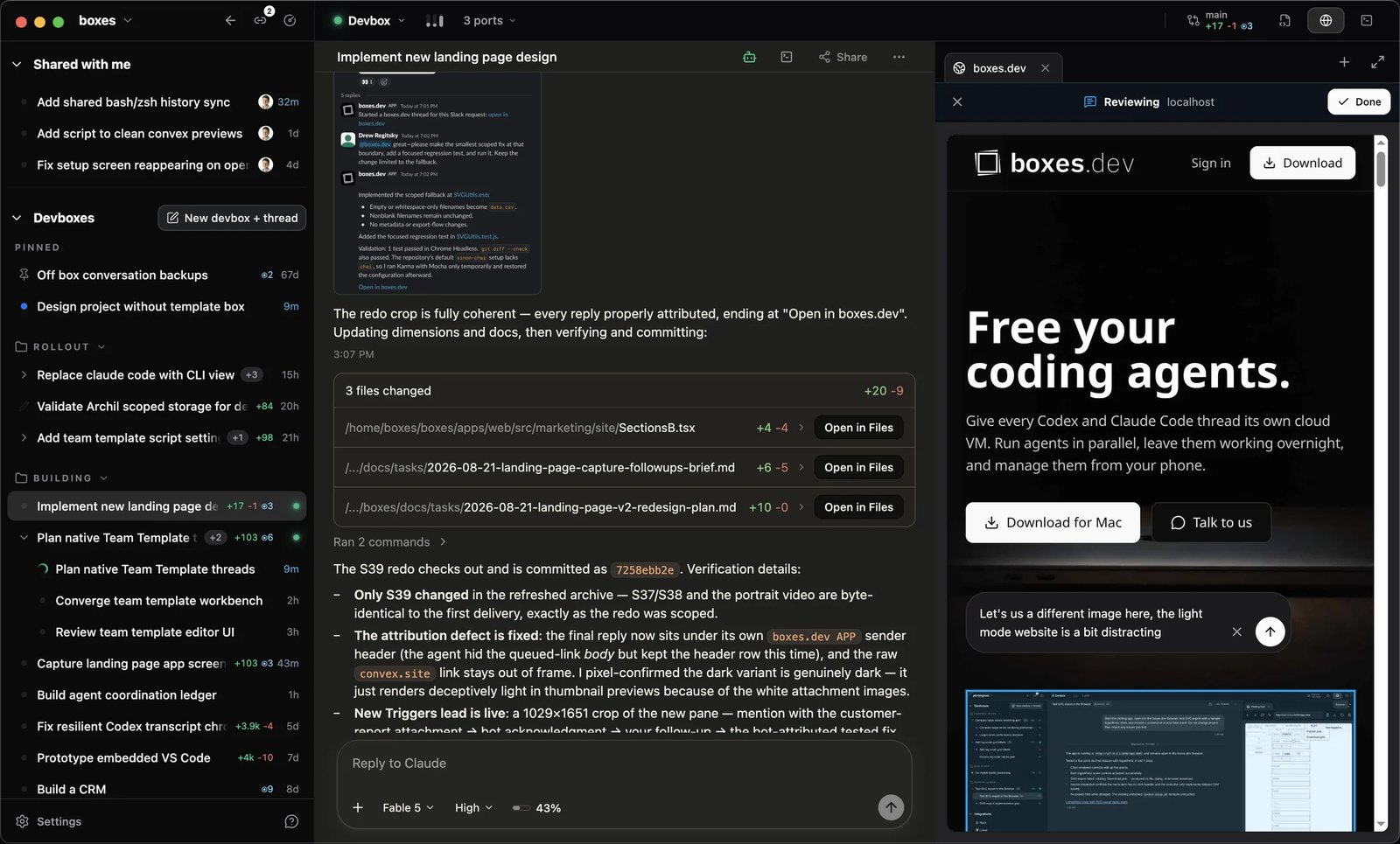
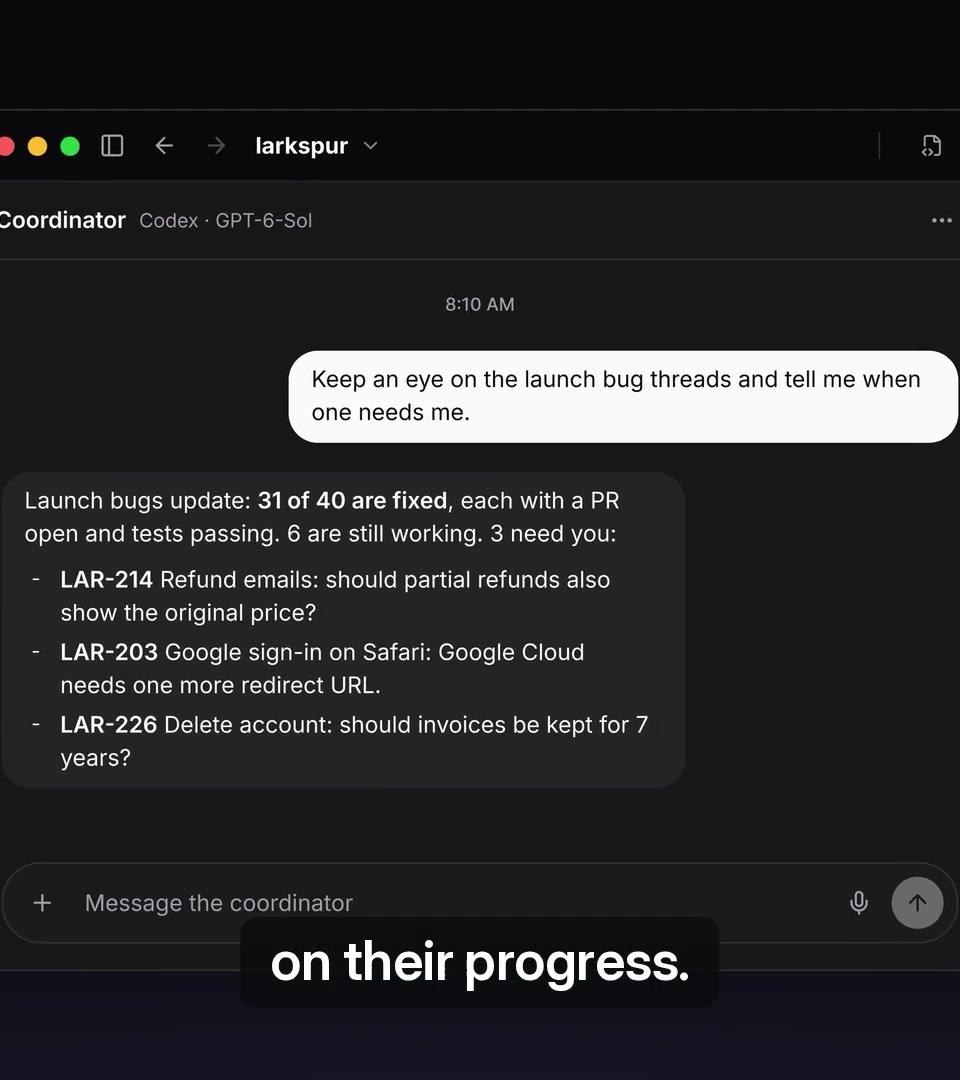
The launch post says agents on Boxes.dev can message each other, start other agents and machines, and organise themselves. It gives the example of one customer that ran more than 200 agents across more than 100 machines to build a complex piece of software from scratch. The post doesn’t name the customer.
Bringing your own Claude or ChatGPT plan
Boxes.dev doesn’t sell model usage. Its FAQ says it runs the real Claude Code and Codex tools with the developer’s own subscription or API key, and that it isn’t affiliated with or endorsed by OpenAI or Anthropic.
Unlike some vendors, we don’t resell tokens.
A couple of replies to the launch questioned whether that’s allowed. Anthropic’s Claude Code legal and compliance page addresses hosted setups directly. Unless Anthropic has agreed otherwise, a company that runs Claude Code inside its product, “e.g. in hosted sandboxes or other agent infrastructure”, has to agree to Anthropic’s Commercial Terms, leave the Claude Code binary unmodified, and keep its built-in sign-in methods intact. It also can’t pay for, resell or intermediate Claude usage: each user signs in with their own subscription or API key and is billed by Anthropic.
The same page says those rules don’t stop “an end user from signing in to the unmodified Claude Code binary with their own Claude subscription, including where a platform hosts Claude Code”. Separately, it bars developers from offering Claude.ai login inside their own apps or collecting users’ Claude credentials, saying sign-in “must complete through Anthropic’s own flow”.
On the OpenAI side, the Codex authentication guide documents signing in with a ChatGPT account on remote or headless machines, using a device-code flow that has to be switched on in ChatGPT’s security settings.
Pricing
Boxes.dev bills for the time machines are awake, by the second. Idle devboxes go to sleep automatically, and sleeping ones are free. Regitsky said a box stays awake while an agent is working and sleeps when it finishes. A standard box has 4 virtual CPUs, 8 GiB of memory and a 100 GB disk.
| Plan | Price | Box-hours included each month | Devboxes awake at once |
|---|---|---|---|
| Trial | Free | 20 | 3 |
| Starter | $19 per user a month | 50 | 5 |
| Pro | $99 per user a month | 300 | 12 |
| Max | $249 per user a month | 750 | 25 |
| Teams | Custom | Custom pools | Not listed |
Extra time on the paid plans costs $0.40 per box-hour, and bigger machines use box-hours faster: an 8-CPU, 16 GiB box uses two an hour. The Teams plan adds single sign-on, user provisioning, audit logs and spend controls. For the launch, the company is offering three months of Pro free through boxes.dev/launch-yc.
That offer needs a credit card. When the Netlify engineer Jason Kneen asked why, Bushak replied that it was an anti-abuse measure. He said people who skip the offer get a smaller trial without a card, and that Boxes.dev doesn’t automatically charge for extra usage or renew the plan. He later said the sign-up flow had been changed to explain this.
Codex Cloud and Claude Code on the web
OpenAI and Anthropic already run coding agents in the cloud themselves. OpenAI’s Codex cloud environments have Codex inspect a project’s GitHub repositories, install dependencies and test the setup before it’s published, and each new task then gets its own isolated workspace. Anthropic’s Claude Code cloud sessions run by default on infrastructure Anthropic manages and keep going after the laptop closes. Anthropic says they count toward a plan’s usage limits, with no separate charge for the cloud machine.
Asked on X how Boxes.dev differs from Codex Cloud, Bushak pointed to two things: it works with more than one model provider, and it focuses on getting a project’s whole app running in the cloud.
We’re model agnostic, so you can have one development environment, and we’re better at getting all your dependencies and full app running end to end on the cloud machine, since cloud is all we do.
The comparison table on the Boxes.dev homepage also sets the product against Devin, Cursor’s cloud agents and agent workspace tools. The company says the table reflects publicly documented features as of 24 August and invites corrections.
Questions from launch day
Much of the discussion under the launch post was about how much of a developer’s environment should go into someone else’s cloud. One developer said they’d rather keep environment files and local databases on their own computer. Bushak replied that Boxes.dev recommends leaving anything sensitive out of the development environment and issuing development-only keys. For teams that use AWS Secrets Manager, he said the service can pass down short-lived credentials through AWS and Google Cloud single sign-on.
Others asked what happens when agents on separate machines edit the same files. Bushak said the usual pattern is for each agent to merge its own change once it’s approved, adding that agents are “pretty good at resolving merge conflicts”. He also told users that Windows support is coming and that the company wants to let customers bring their own compute.
Some reactions were sceptical about how crowded the category is. “This is like the 5th one in the same batch,” wrote faizan khan, quoting the launch. Among early users, Shardul of Oro Agents, another company in the same Y Combinator batch, said his team had moved “100% of our coding workflow” to Boxes.dev.
Discover more from Sulat AI & Tech News
Subscribe to get the latest posts sent to your email.