A US bankruptcy judge has approved Google’s US$10 million purchase of Spirit Airlines’ internal business data, Reuters reports. The data includes employee emails, spreadsheets and calendars, along with marketing, productivity and operations records, and Google says it plans to use it for product development and AI training.
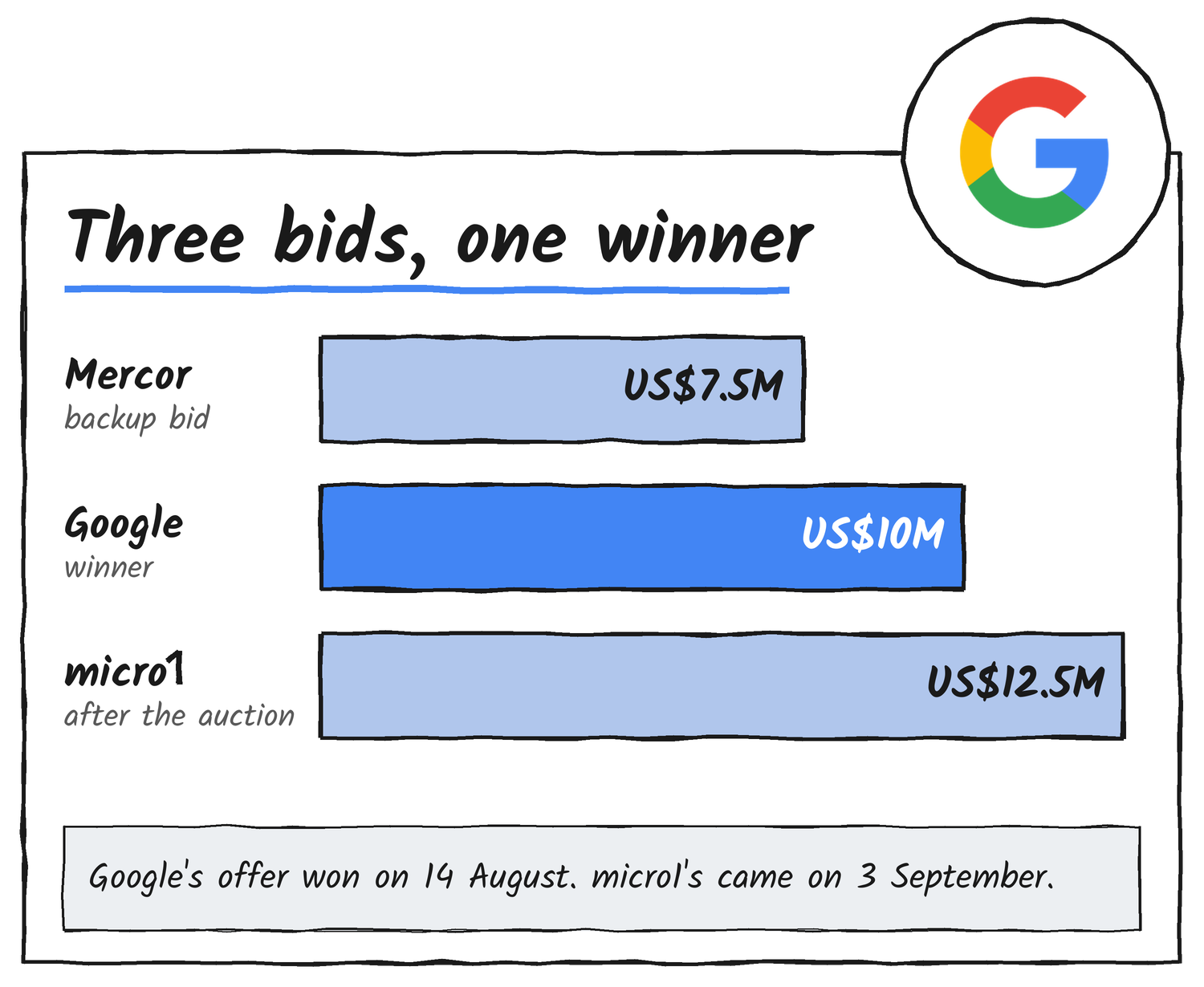
Judge Sean Lane ruled from the bench at a hearing on 17 November US time (early on 18 November in New Zealand), Reuters reports. He cleared the sale after Google agreed the week before to extra privacy protections, following concerns from labour unions and more than 120 US lawmakers. Spirit stopped flying in May, and Google won the data at a bankruptcy auction on 14 August.
What Google is buying
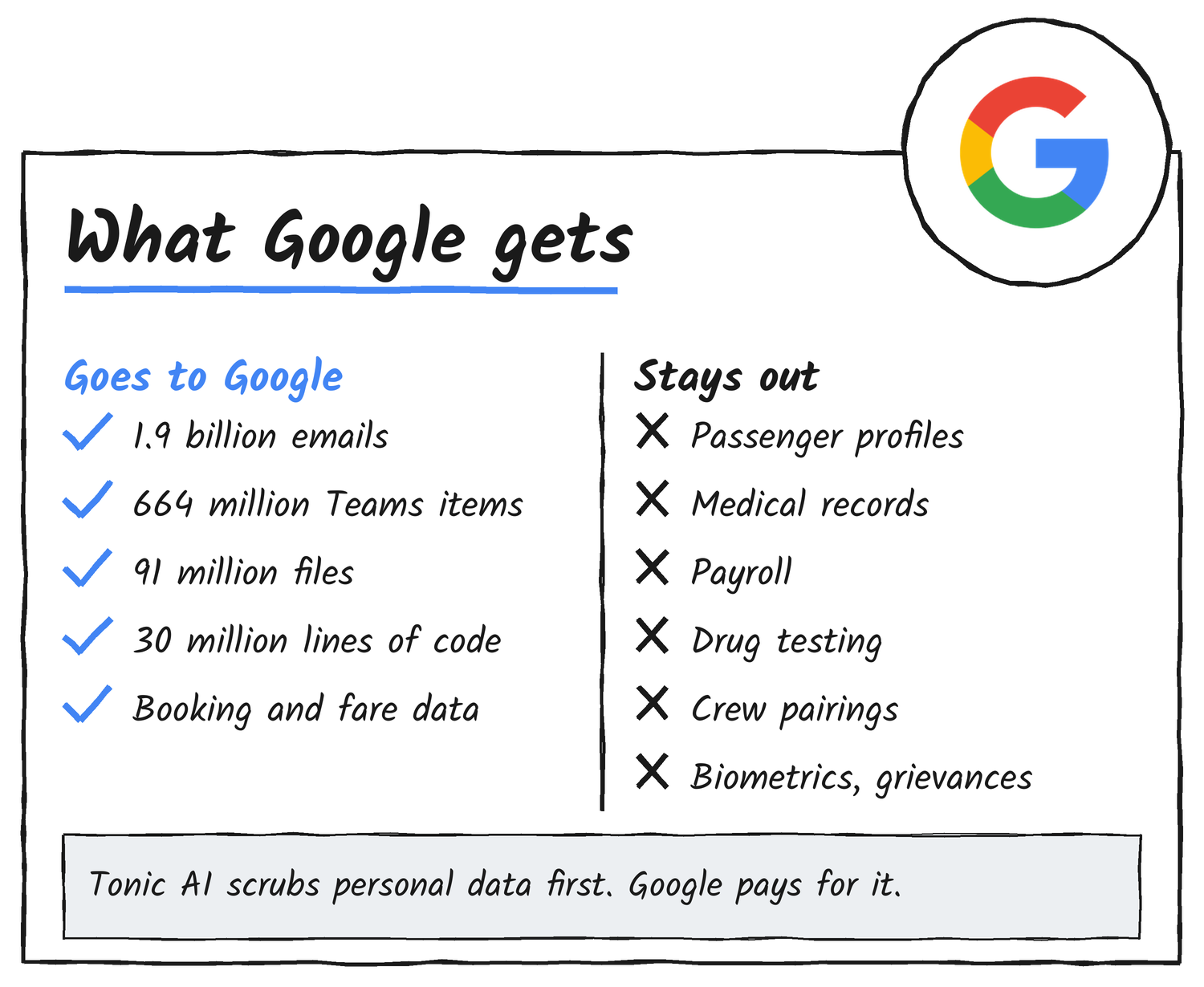
Spirit’s 9 November court filing, as Skift describes it, covers about 1.9 billion internal emails across roughly 91,000 accounts, 664 million Microsoft Teams items, 91 million SharePoint and OneDrive files and about 30 million lines of code. It also covers commercial data such as booking curves, vacation package data and airfares. Axios reported about 100 million emails and 500 million Teams chats from the August filing.
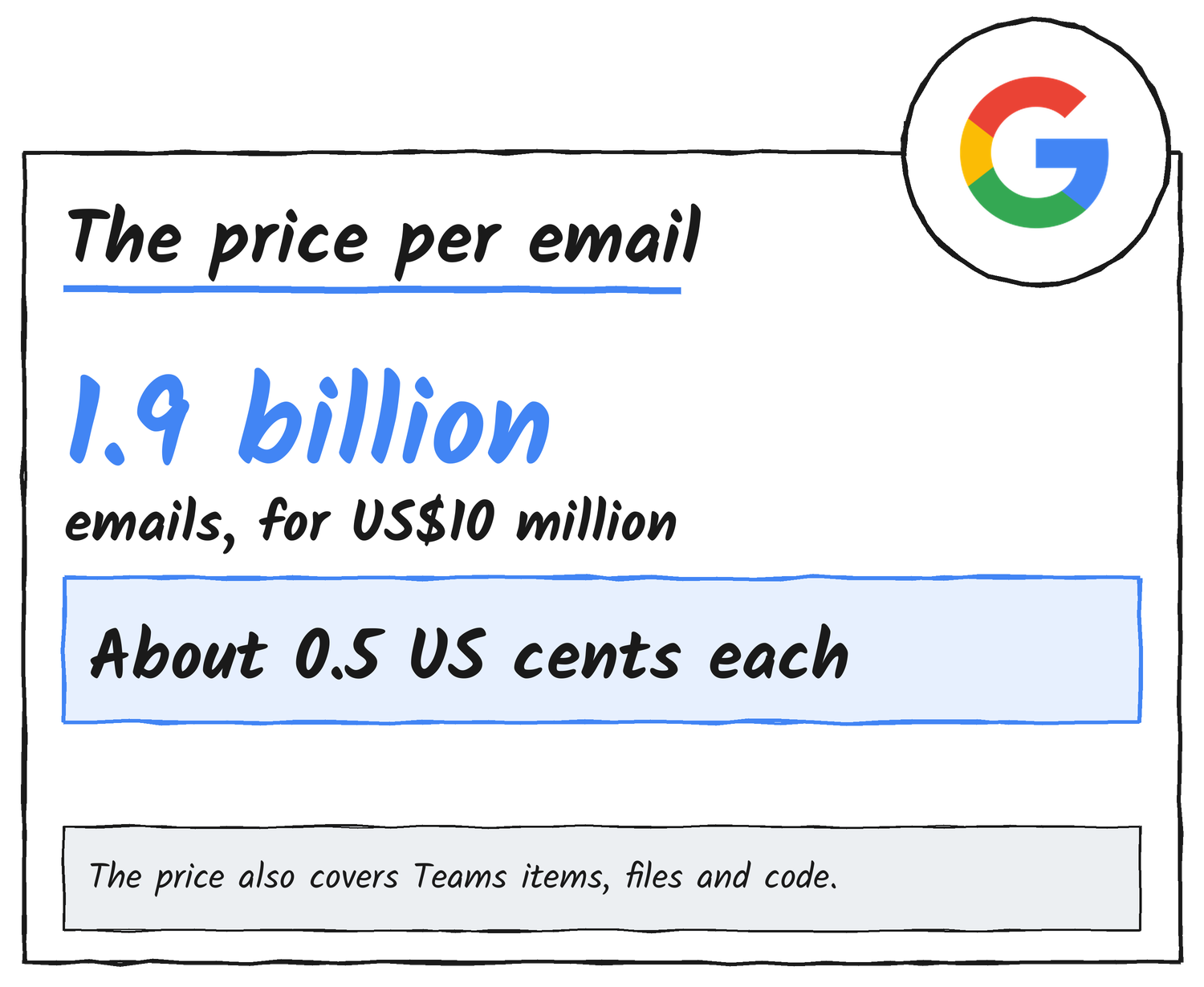
US$10 million spread over 1.9 billion emails works out to about half a US cent each, and the price also covers the Teams items, files and code.
What stays out
Passenger personal data is excluded. Reuters reports that Spirit’s privacy ombudsman recommended approval in October after the personal information of 97 million customers was taken out of the sale, and the ombudsman’s September report says a separate, later auction will cover the personal data of 97.5 million passengers.
Employee records are carved out too. Skift reports that medical examinations, payroll records, drug testing, crew pairings, biometrics and union grievance filings are excluded. The software company Tonic AI scrubs personal information before anything moves, Google pays for that work, and Google has to publicly commit not to intentionally or knowingly re-identify anyone in the data. An independent verification agent reviews Tonic’s assessment of how likely re-identification is before delivery, according to the revised order in the filing.
Sara Nelson, president of the Association of Flight Attendants, said in a statement that without the union “there would have been no one to speak for workers in this fire sale of their private information.”
How the auction went
Google’s winning bid was US$10 million, and Mercor, an AI data and recruiting startup, was named the alternate bidder at US$7.5 million. Spirit’s debtors picked that US$7.5 million bid as the alternate over a US$10 million offer from the same bidder, because the higher offer relied on in-house de-identification instead of a third party, according to a filing by the flight attendants’ union that quotes a Spirit declaration. On 3 September, after the auction, micro1, a human-data platform for AI training, filed notice that it would pay US$12.5 million in cash.
The flight attendants’ union filed a conditional withdrawal of its objection on 17 November, Airways reports. It takes effect if the court’s order substantially matches the revised proposal. Reuters’ report of the ruling doesn’t list the final order’s wording, so the terms above come from the 9 November filing, and its account of Google’s plans doesn’t name a product or model.
Discover more from Sulat AI & Tech News
Subscribe to get the latest posts sent to your email.