
Wiz has launched a plugin that lets OpenAI’s Codex read a repository’s Wiz findings, along with what the code deploys to the cloud and why each risk matters, then draft a pull request for a developer to review. Wiz’s announcement is dated 24 November and ties the plugin to OpenAI’s Daybreak Defense Factory.
I read the Wiz post, OpenAI’s Defense Factory documentation and the coverage of the November launch. This piece covers what the plugin does, how it differs from the Wiz importer Daybreak already had, who owns Wiz now, and where the plugin sits among the other scanners Daybreak can take findings from.
Katsurada’s post says, in my translation, that the integration pairs autonomous vulnerability fixing with real cloud context from the Wiz Security Graph to raise defenders’ speed, and it links the Wiz blog post.
24 Nov
date of Wiz’s announcement of the Codex plugin
4
jobs Wiz lists for it: trace risk to code, show the attack path, speed up fixes, hand findings to Codex Security
US$32B
announced price of Google’s deal for Wiz, which closed on 11 March 2026
- What the plugin does
- Two routes from Wiz into Daybreak
- Why cloud context changes the fix
- Where Defense Factory sits
- Patch the Planet and PHP2Shell
- Wiz is owned by Google
- The other scanners Daybreak imports
- If you want to try it
What the plugin does
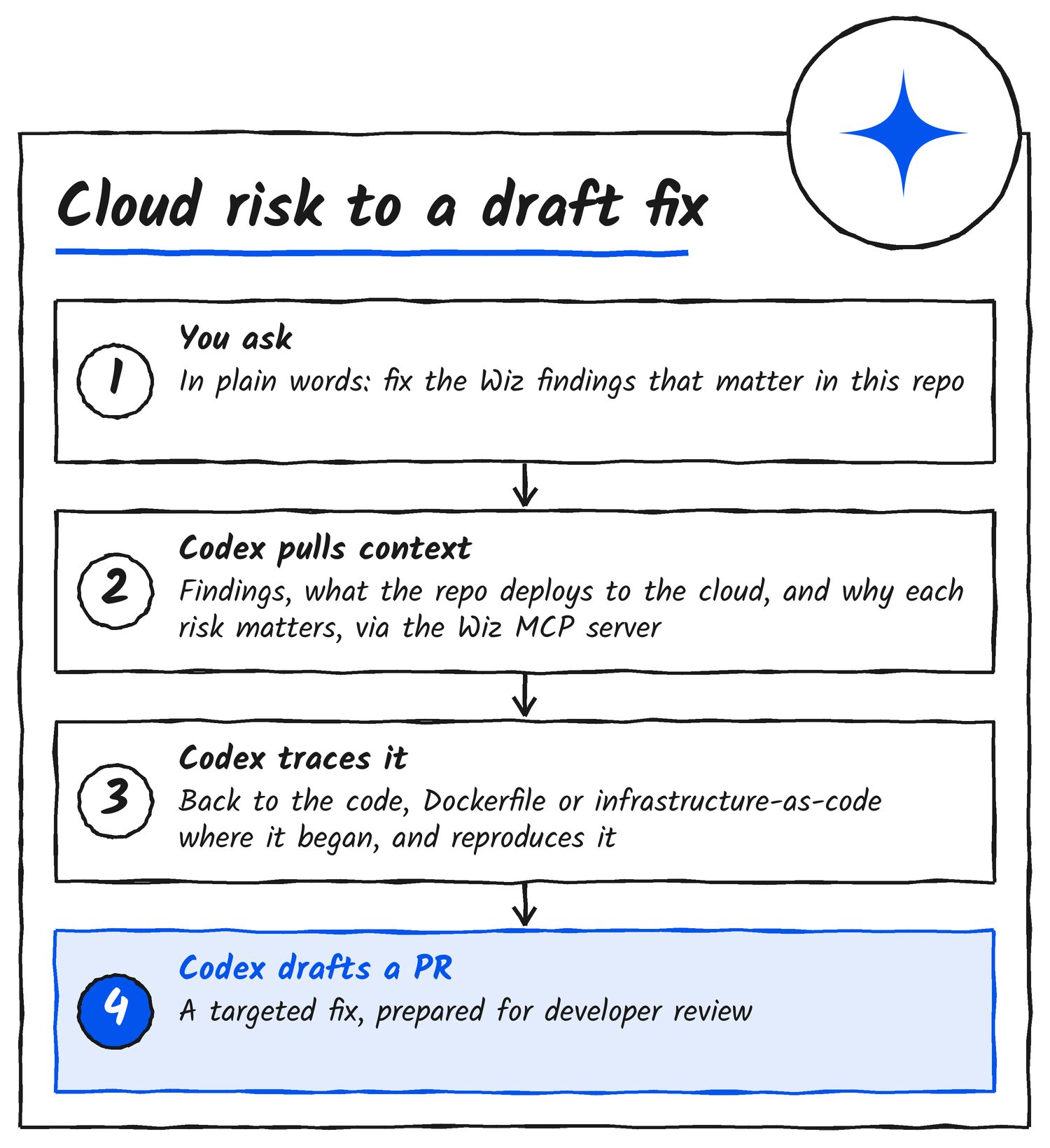
Wiz says a developer asks in plain language, for example “fix the Wiz findings that matter in this repo”. Codex then pulls the repository’s findings, what it deploys to the cloud, and the context behind each risk through the Wiz MCP server. Wiz lists four uses:
- Trace risk to its source. Connect a vulnerability or misconfiguration to the code, Dockerfile instruction or infrastructure-as-code definition where it started.
- Understand the attack path. Correlate findings with internet exposure, cloud identities, effective permissions and sensitive data.
- Speed up remediation. Give Codex enough context to reproduce a vulnerability, generate a targeted fix and prepare a pull request for developer review.
- Hand findings to Codex Security. Send a repository’s Wiz findings, with cloud context and code owners attached, to Codex Security for validation and triage.
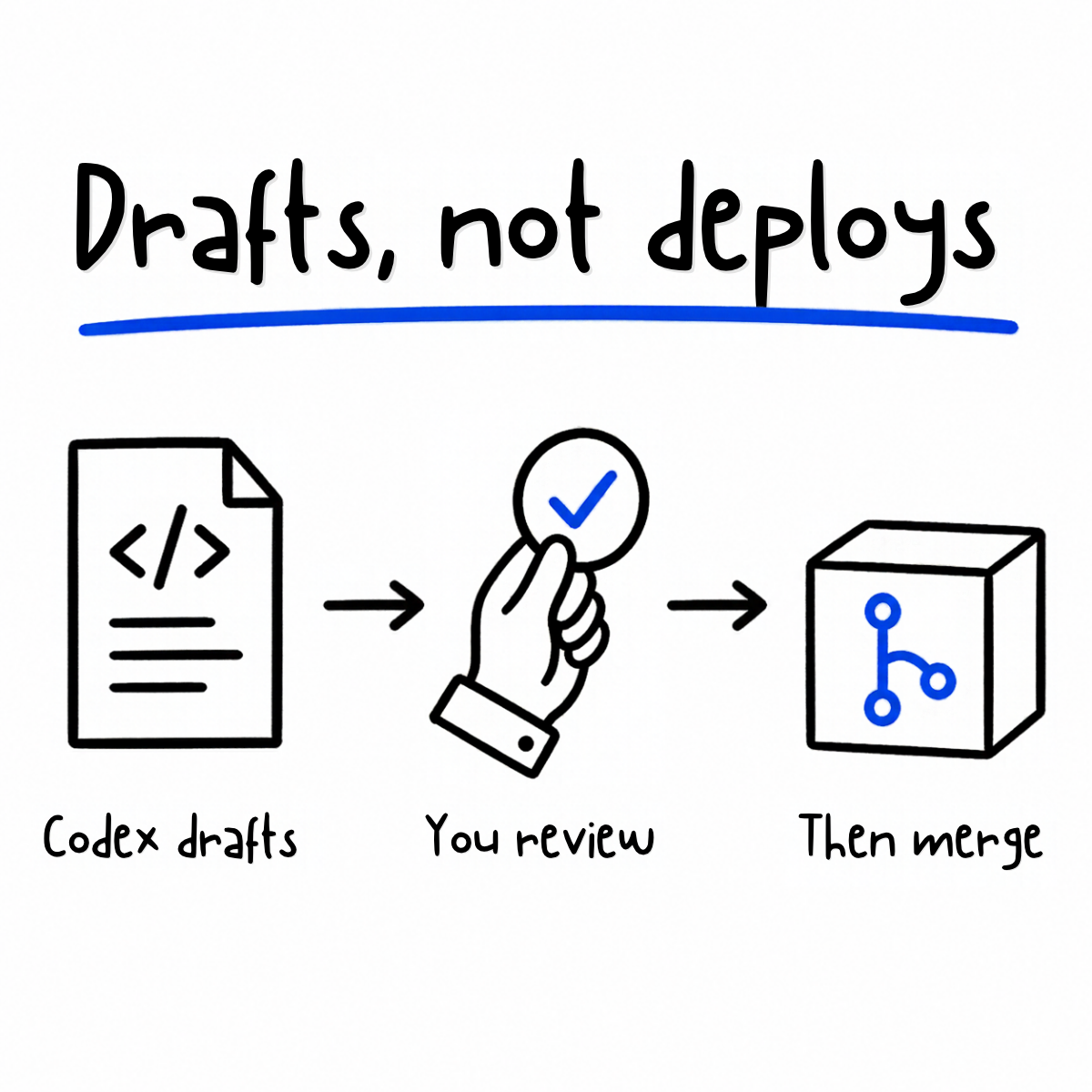
The Wiz post stresses that security and development teams stay in control. That matches OpenAI’s own description of Defense Factory, where engineers review and test proposed patches before merge.
Two routes from Wiz into Daybreak
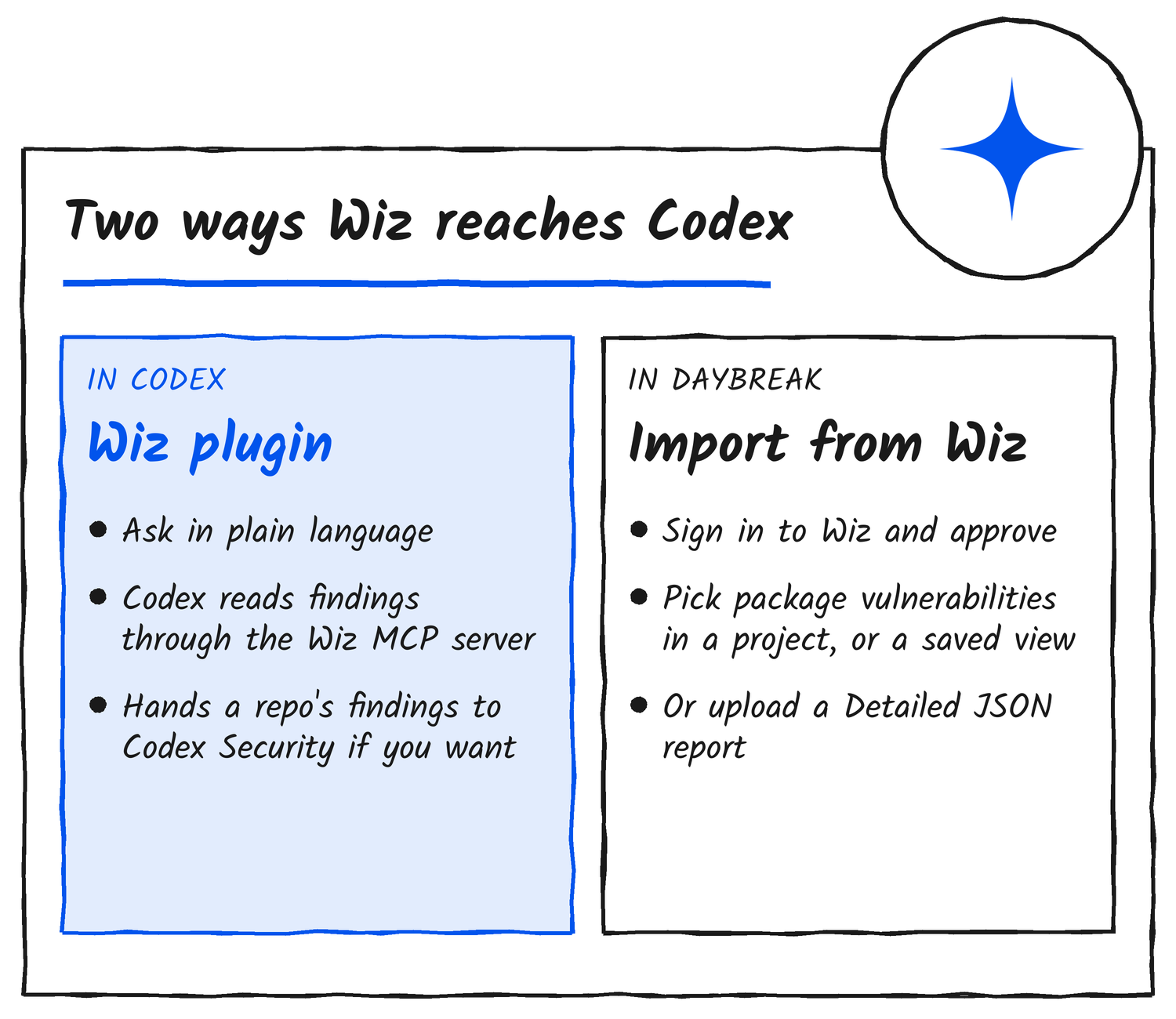
The plugin is not the first way Wiz findings reached Daybreak. OpenAI’s scanner import documentation already lists Wiz beside Snyk and Endor Labs, and SecurityWeek reported on 13 November that Defense Factory supports importing vulnerability information from all three. The two routes do different jobs.
| Wiz plugin for Codex | Wiz import in Daybreak | |
|---|---|---|
| Where it runs | Inside Codex, through the Wiz MCP server | Daybreak Settings, Integrations, or Import from Findings |
| How you start | Ask in plain language | Connect Wiz, then pick findings |
| What it reads | The repository’s findings, what it deploys, and the context behind each risk | Package vulnerabilities in a project, or a saved view filtered to one container repository and its images |
The import has conditions. For a Wiz finding that needs a checkout, you pick the GitHub repository and enter the full 40-character commit SHA, and OpenAI notes that commit can differ from the code used to build the container image. The import keeps the scanner’s original evidence. For Wiz, the checkout limit counts findings assigned a checkout, even when several share a commit.
Why cloud context changes the fix
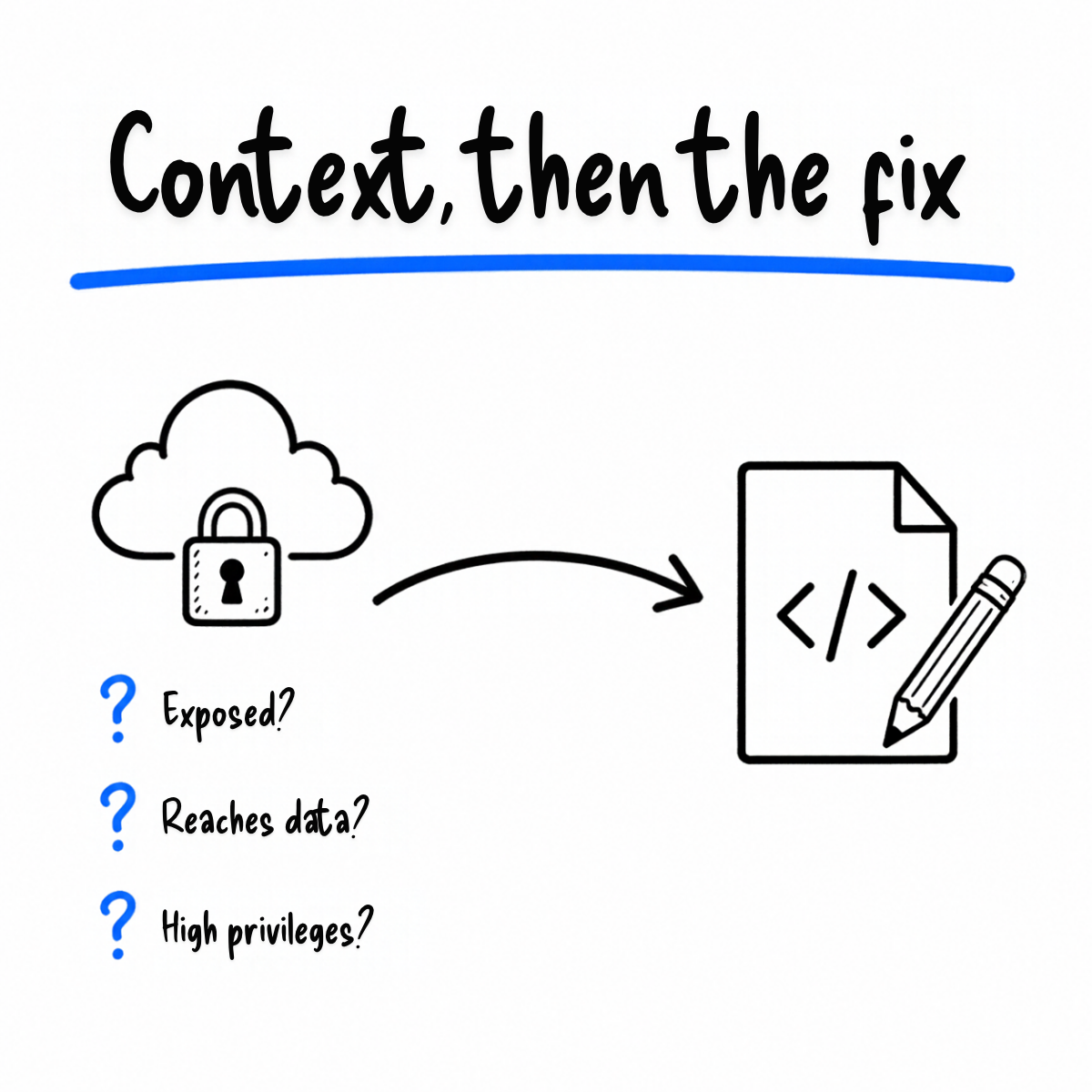
Wiz’s argument is that code doesn’t live in a vacuum. Before a fix is worth prioritising, someone needs to know whether the workload is exposed to the internet, whether it can reach sensitive data, and whether it is tied to high privileges. A scanner that sees only the repository can say a package is vulnerable. The Security Graph can say whether that package runs somewhere an attacker can reach.
That is the part the plugin moves into Codex. The model still does the code work: reproducing the issue, writing the change and preparing the pull request. Wiz supplies the ranking and the trail from cloud to code.
Where Defense Factory sits
OpenAI announced Daybreak Red Team and Daybreak Defense Factory at its Cyber at the Frontier event on 12 November. I covered the launch in OpenAI announces Daybreak Red Team, and the same week’s Agents API support for Daybreak Blue and Red and Daybreak Red guide cover the model side.
Defense Factory takes findings from existing security tools and from Red Team, has agents investigate each one and develop a patch, and lets engineers work on the fix with Codex. It can scan a connected GitHub repository, monitor new commits or run on a schedule. Patches aren’t deployed automatically. OpenAI describes it as a preview plugin in ChatGPT, for workspaces with Daybreak access, and its Codex Security help page says cloud scans use token-based billing.
Around it, OpenAI has built a wider programme. Its 3 September announcement committed US$1 billion in subsidised Daybreak access and said the Daybreak Defense Network brought more than 35 partner products and partner-operated services. A logo grid on OpenAI’s 22 June Daybreak post shows Wiz among partners that include CrowdStrike, Palo Alto Networks, Tenable and Zscaler. For more on the cyber model behind it, see OpenAI releases GPT-6 Cyber to vetted security teams.
Patch the Planet and PHP2Shell
Wiz uses a recent example to show the model in practice. OpenAI’s 21 October account of Patch the Planet says the cybersecurity firm Calif identified a critical PHP flaw using GPT-5.6 Sol, and that Wiz independently discovered and reported both vulnerabilities. PHP’s maintainers led the fixes and the release, with OpenAI, Wiz, Cloudflare and others contributing research, technical support and coordination before disclosure.
Wiz’s post says the work produced upstream patches, provider mitigations and customer protection, including detection, active exploitation monitoring and threat-hunting guidance from Wiz. OpenAI also shared a PHP version checker as a Codex skill, in its php2shell-checker repository. Wiz presents Defense Factory as taking that collaborative approach from major vulnerability responses into everyday repositories.
Wiz is owned by Google
Wiz is no longer an independent start-up. Google announced the deal on 18 March 2025 at US$32 billion in cash and completed it on 11 March 2026. Alphabet’s quarterly filing records the price as US$29.5 billion after purchase price adjustments, excluding post-combination compensation arrangements.
Google said Wiz would keep its brand and keep working across Amazon Web Services, Google Cloud, Microsoft Azure and Oracle Cloud. Wiz’s own post on the deal says it works with most of the Fortune 100 and most of the frontier AI labs. A Google-owned vendor plugging into OpenAI’s coding agent fits that multi-cloud, multi-vendor promise.
| Date | What happened | Source |
|---|---|---|
| 18 March 2025 | Google announces it will buy Wiz for US$32 billion in cash | Google, Alphabet filing |
| 11 March 2026 | Google completes the acquisition; Wiz joins Google Cloud | Google blog |
| 22 June 2026 | OpenAI’s Daybreak overview post lists Wiz among its security partners | OpenAI |
| 3 September 2026 | Daybreak for Frontline Defenders: US$1 billion in subsidised access, 35+ partner products | OpenAI |
| 21 October 2026 | Patch the Planet account of the PHP vulnerabilities, with Wiz as a partner | OpenAI |
| 12 November 2026 | Daybreak Red Team and Defense Factory announced | SecurityWeek, The Register |
| 24 November 2026 | Wiz announces the Codex plugin; Katsurada posts it that night | Wiz blog, X |
The other scanners Daybreak imports
Wiz is one of three scanners OpenAI’s documentation lists for import. I compared the three from the docs page, because the connection method and the limits differ.
| Scanner | Connection | What you can select | Limit for one read |
|---|---|---|---|
| Wiz | Sign in to Wiz and approve | Package vulnerabilities in a project, or a saved view for one container repository and its images | 5,000 occurrences, 100 pages of 50, 32 MiB |
| Snyk Open Source | Snyk US-01 API token with REST read access, or an Issues Detail CSV | Issues in the organisation that monitors the repository | 10,000 package issues per project, 100 pages of 100, 8 MiB |
| Endor Labs | US namespace, API key and API secret (an expiring, read-only key scoped to the namespace) | Findings from a project’s main context, or repository import where available | 5,000 findings per project preview, pages of up to 100, 32 MiB |
The difference that shows up in the docs is the sign-in. Wiz is the only one of the three connected by approving an account, where Snyk takes an API token and Endor Labs takes a key and secret. The Codex plugin is a separate, newer route that sits outside this import screen.
Developers ask in plain language, such as “fix the Wiz findings that matter in this repo.”
Wiz blog, 24 November 2026
If you want to try it
- Open Plugins in ChatGPT on the web or in the desktop app, using a workspace with Daybreak access, and install Daybreak Defense Factory (Preview).
- Connect GitHub. Each person who starts a scan needs a personal GitHub connection, because Defense Factory doesn’t support workspace connections.
- For the importer, open Settings, Integrations, and connect Wiz. For the Codex plugin, follow Wiz’s setup page.
- Review every proposed patch and its tests before merging.
Terms used in this piece
- Wiz Security Graph
- Wiz’s map of cloud resources, identities, permissions, exposure and data, which links findings to what an attacker could reach.
- MCP server
- A server that exposes tools and data to an AI agent through the Model Context Protocol. Wiz runs a remote one.
- Daybreak Defense Factory
- OpenAI’s preview plugin that investigates security findings and prepares patches for engineers to review.
- Codex Security
- OpenAI’s research-preview service that reads code, validates potential vulnerabilities and proposes patches.
- Infrastructure as code
- Cloud setup written as files, such as Terraform, so a misconfiguration can be traced to a line of code.
- Patch the Planet
- OpenAI’s coordination effort for finding and fixing critical vulnerabilities with maintainers and security providers.
Both companies frame the plugin around reviewed fixes: the context comes from Wiz, the patch comes from Codex, and the merge decision stays with the team.
Sources
- Powering the OpenAI Daybreak Defense Factory with Wiz Security Intelligence, Wiz, 24 November 2026
- Shogo Katsurada on X, 24 November 2026 (UTC)
- Daybreak Defense Factory, OpenAI, read 25 November 2026
- Set up Daybreak Defense Factory, OpenAI, read 25 November 2026
- Import scanner findings into Daybreak, OpenAI, read 25 November 2026
- Codex Security, OpenAI Help Center, read 25 November 2026
- OpenAI launches security products, The Register, 12 November 2026
- OpenAI Unveils Daybreak Red Team, Defense Factory Security Tools, SecurityWeek, 13 November 2026
- Patch the Planet: global response coordination as agents uncover critical vulnerabilities, OpenAI, 21 October 2026
- Daybreak for Frontline Defenders, OpenAI, 3 September 2026
- Daybreak: Tools for securing every organization in the world, OpenAI, 22 June 2026
- Google completes acquisition of Wiz, Google, 11 March 2026
- Alphabet Form 10-Q, Note 8, Acquisitions and Divestitures, SEC, 30 April 2026
Disclosure: I’m an OpenAI, Firecrawl and Devin ambassador.
Discover more from Sulat AI & Tech News
Subscribe to get the latest posts sent to your email.